|
|
|
|
By Dr. Wayne Narey, Arkansas State University
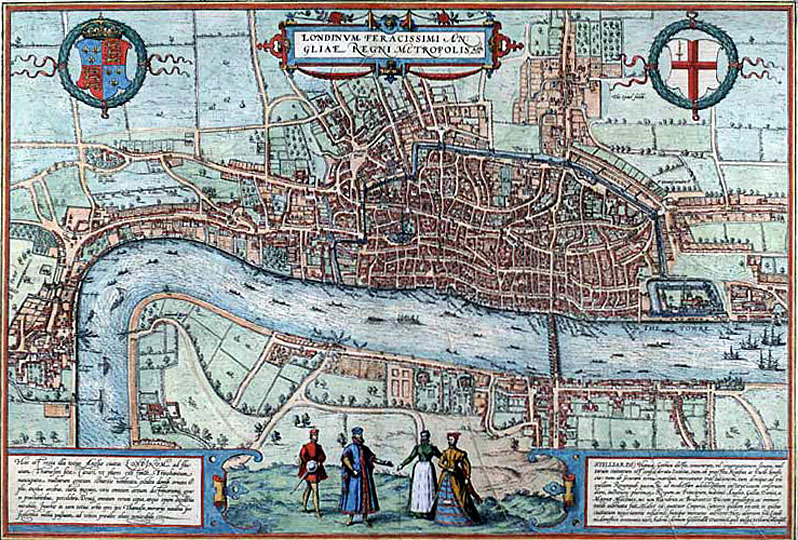
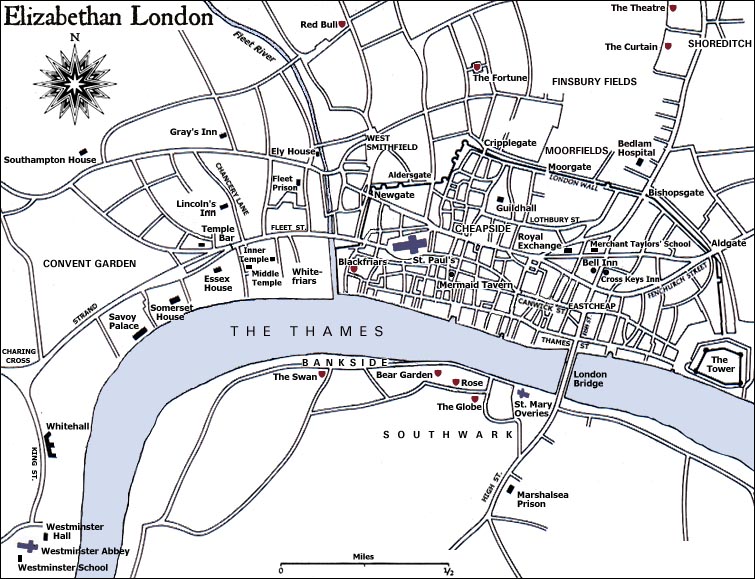
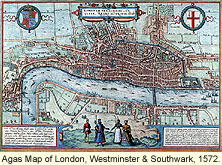 In 1600, the city of London had a population of 245,000 people, twice the size of Paris or Amsterdam.
Playwriting was the least personal form of writing, but clearly the most
profitable for literary men since the demand was so great: 15,000 people
attended the playhouses weekly. What is often exploited in the plays is the
tension between a Court culture and a commercial culture, which in turn
reflected the tension between the City government and the Crown. The period from
1576 (date of the first public theatre in London) to 1642 (date that the
Puritans closed the theatres) is unparalleled in its output and quality of
literature in English. In 1600, the city of London had a population of 245,000 people, twice the size of Paris or Amsterdam.
Playwriting was the least personal form of writing, but clearly the most
profitable for literary men since the demand was so great: 15,000 people
attended the playhouses weekly. What is often exploited in the plays is the
tension between a Court culture and a commercial culture, which in turn
reflected the tension between the City government and the Crown. The period from
1576 (date of the first public theatre in London) to 1642 (date that the
Puritans closed the theatres) is unparalleled in its output and quality of
literature in English.
The monarchy rested on two
claims: that it was of divine origin and that it governed by consent of the
people. The period was one of great transition. This period of history is
generally regarded as the English Renaissance, which took place approximately
100 years later than on the continent. The period also coincides with the
Reformation, and the two eras are of course mutually related.

Imposed upon the Elizabethans was a social hierarchy of order and degree—very much medieval
concepts that existed more in form than in substance. The society of
Shakespeare's time had in many ways broken free of these rigidities. It was not
that people were rejecting the past; rather, a new more rigid order was
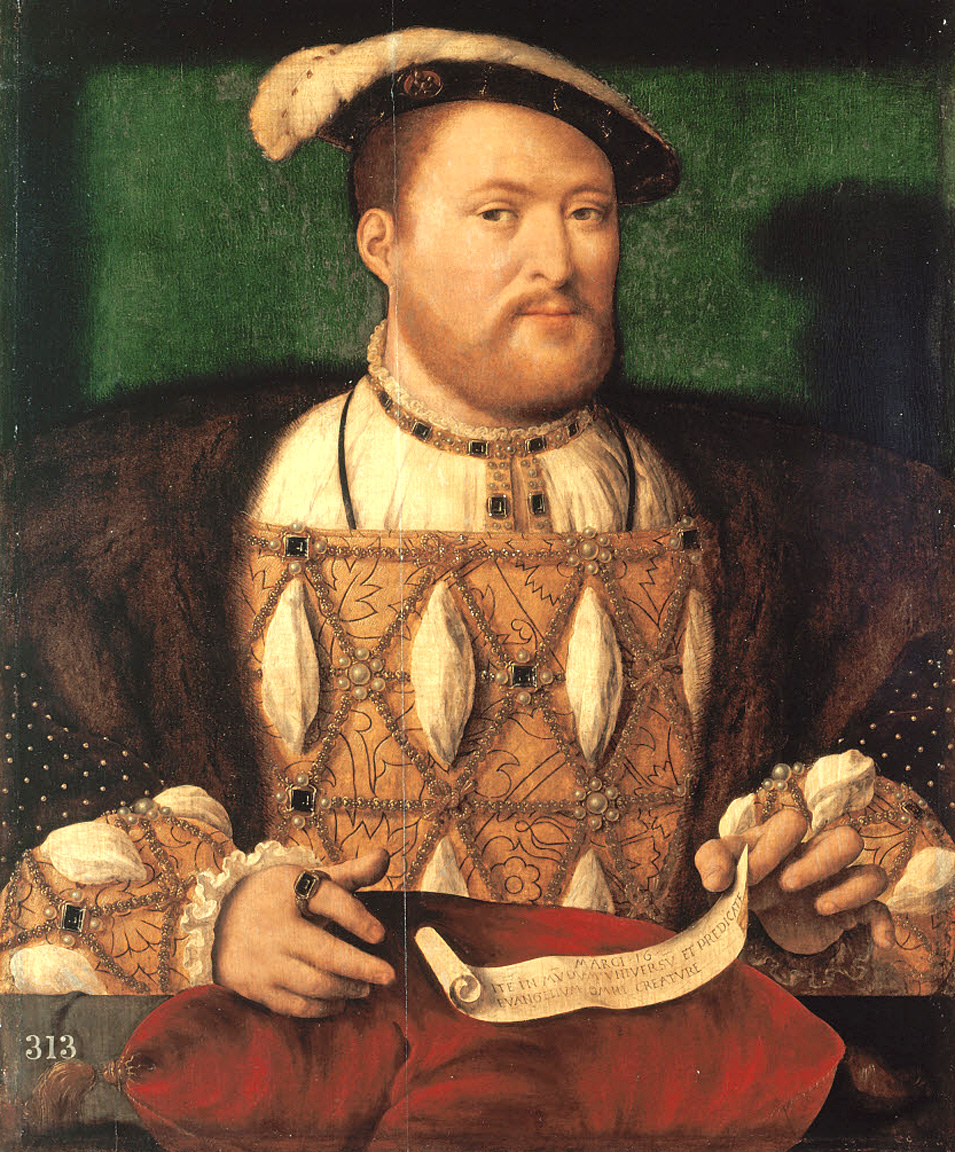
replacing the old. This was set into motion during Henry VIII's reign in the
1530s when he assumed more power than had hitherto been known to the monarchy.
The Act of Supremacy of 1534 gave to Henry the power of the Church as well as temporal power.
By Shakespeare's time the state had asserted its right in attempting to gain authority in secular and
spiritual matters alike. The so-called "Tudor myth" had sought to
justify actions by the crown, and selections for the monarchy, as God-sanctioned:
to thwart those decisions was to sin, because these people were selected by God.
The population of the City
quadrupled from Henry VIII's reign to the end of Shakespeare's life (1616),
thus adding to the necessity for civil control and law. The dissolution of the
monasteries had caused much civil unrest, and the dispossessed monks and nuns
had been forced to enter the work force. Thus the employment, or unemployment,
problem was severe.
Puritanism, which first
emerged early in Elizabeth's reign, was a minority force of churchmen, Members
of Parliament, and others who felt that the Anglican Reformation had stopped
short of its goal. Puritans used the Bible as a guide to conduct, not simply to
faith, but to political and social life, and since they could read it in their
own language, it took on for them a greater importance than it had ever held.
They stressed particularly the idea of remembering the Sabbath day. The
conflict between the Puritans and the "players" of the theatre—who
performed for the larger crowds that would turn out for productions on the
Sabbath—was established early.

To cite this article:
Narey, Wayne. "The Sociopolitical
Climate in
Elizabethan England." Luminarium.
2 Aug 2006. [Date you accessed this article].
<https://www.luminarium.org/renlit/dramasoc.htm>
Continue to:
English Drama: From Medieval to Renaissance
The Sociopolitical Climate in Elizabethan England
Elizabethan World View
Elizabethan Playhouses
Elizabethan Staging
Conventions
Timeline of Elizabethan Playhouses and Acting Companies
 | to Renaissance Drama
|
|
| to Renaissance Literature
|
Site copyright ©1996-2010 Anniina Jokinen. All rights reserved.
This page created by Anniina Jokinen on August 2, 2006. Last updated August 10, 2010.
|
|
|

 Renaissance English Drama